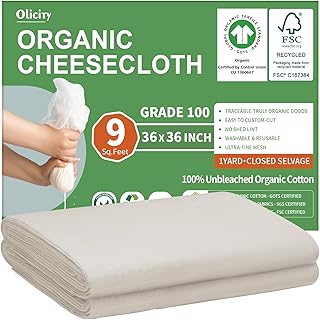
Cheesecloth, a simple yet remarkably versatile piece of fabric, is a staple in many kitchens and craft rooms. Far more than just a tool for cheesemaking, this fine-mesh cotton cloth is indispensable for straining, cooking, baking, and even DIY projects. Understanding the different types, grades, and features available can help you choose the perfect cheesecloth for any task.
What is Cheesecloth and Why is it Essential?
Traditionally made from loosely woven cotton, cheesecloth is a lightweight, gauzy fabric. Its primary function is to separate solids from liquids, making it perfect for straining yogurt, clarifying butter, making nut milks, or bundling herbs for a bouquet garni. Its breathable nature also makes it ideal for wrapping and aging certain types of cheese. For a deep dive into its many applications, check out our comprehensive Ultimate Guide to Cheesecloth.
Understanding Cheesecloth Grades: From Coarse to Ultra-Fine
Not all cheesecloth is created equal. It comes in numbered grades that indicate the thread count and weave tightness. The most common grades you'll encounter are:
Grade 10: The coarsest weave, often used for dusting or polishing.
Grade 50-60: A medium weave suitable for general straining tasks.
Grade 90: A fine weave, excellent for tasks like making ricotta.
Grade 100: This is the ultra-dense butter muslin, offering the finest weave. It's the gold standard for tasks requiring no sediment passage, such as clarifying consommé, making fine cheese like quark, or straining juice. Products like the Cotton Farm Grade 100 XL Cheese Cloth or the 6-Pack Beige Cheesecloth, Grade 100 are perfect examples of this premium category. Learn more about this specific type in our dedicated Grade 100 Cheesecloth guide.
Key Features to Look For in a Quality Cheesecloth
When shopping for cheesecloth, several features enhance its usability and longevity:
Material: Always opt for 100% cotton. It's food-safe, absorbent, and breathable. You can choose between unbleached (natural beige) and bleached (white) options. Unbleached is often preferred for its lack of chemical processing, while bleached varieties like the GoodCook Everyday 100% Cotton Cheesecloth offer a pristine look.
Edges: Look for hemmed or closed edges. This prevents fraying, makes the cloth more durable for multiple uses, and is easier to handle. The Organic Cheese Cloths with Closed Edges and the 12Pcs Reusable Cheese Cloths Hemmed 4 Edges are excellent reusable choices.
Certifications: For the most natural option, seek out GOTS (Global Organic Textile Standard) certified cloths, which guarantee organic farming and responsible processing.
Precut vs. By-the-Yard: Precut squares, such as the Precut Cheesecloth, 15 x 15'' 4 Pack or the Mostdream 10Pcs Precut Cheese Cloths, offer convenience and consistent sizing. Buying by the yard gives you flexibility to cut any size you need.
Top Uses for Your Cheesecloth in the Kitchen and Beyond
The applications for this humble fabric are nearly endless. Here are some of the most popular:
Cheesemaking & Yogurt: The classic use. Fine grade 100 cheesecloth is essential for draining whey from yogurt to make Greek yogurt or labneh, and for molding soft cheeses.
Straining & Juicing: Perfect for clarifying stocks, broths, and syrups, or for juice straining to remove pulp. It's far superior to metal strainers for catching the finest particles.
Cooking & Baking: Use it to wrap herbs and spices for easy removal from soups and stews, or to make a cooking turkey more flavorful by placing aromatics inside the cavity.
Crafts: Its lightweight, malleable nature makes it a favorite for DIY crafts, Halloween costumes, ghost decorations, and even as a crafts fabric for dyeing projects.
For more creative and practical ideas, our Cheesecloth: The Versatile Kitchen Essential blog post is a great resource.
Making the Right Choice: Reusable and Sustainable Options
Investing in a high-quality, reusable cheesecloth is both economical and eco-friendly. Products designed for multiple uses, like the High-Grade 100 Cheesecloth – 6-Pack with lock-edged durability, can be washed and reused many times. Simply rinse in cold water immediately after use, then machine wash in warm water with mild detergent. Avoid fabric softeners and tumble dry on low or air dry.
Whether you're a serious home cheesemaker, an avid juicer, or a creative cook, having the right cheesecloth on hand unlocks a world of culinary possibilities. By considering the grade, material, and features like hemmed edges, you can select a cloth that will serve you well for years. For hands-on insights, read our MAJESTIC CHEF Natural Cheesecloth Review to see how one popular option performs in real kitchen tests.